
Understand The Problem
Mold Inspection And Testing
Start with clearer information about your property. Book Now
Understand The Problem
Start with clearer information about your property. Book Now
Not every mold concern starts with obvious visible growth. You may have a persistent musty smell, a history of water intrusion, staining near a wall or ceiling, or uncertainty about a basement, attic, or crawl space. An inspection helps organize those clues and determine what deserves closer attention.
Testing can be useful in certain situations, but it is not automatically necessary simply because visible mold exists. We focus first on the building conditions and the reason you are investigating the property, then discuss whether sampling would provide useful information.
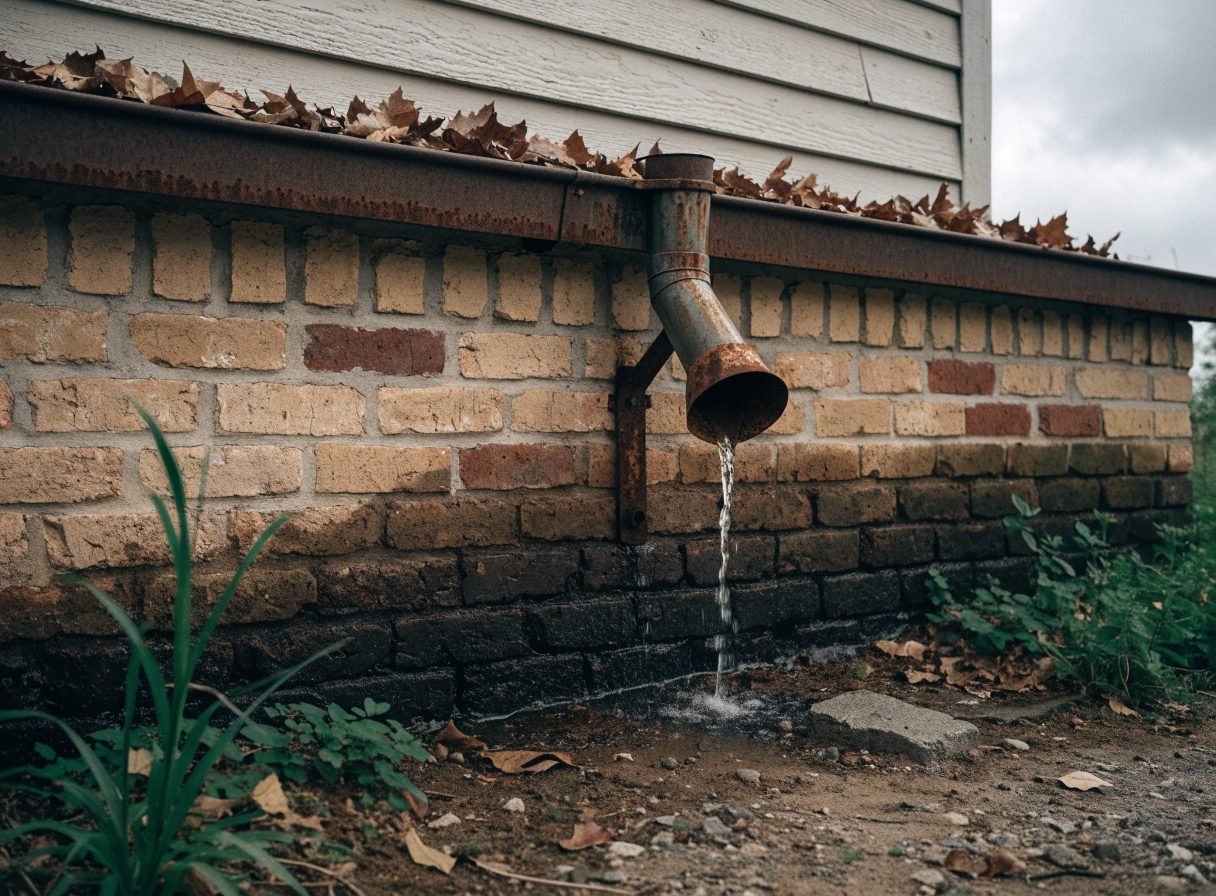
An inspection is most useful when it connects visible conditions, moisture history, building materials, and the locations where problems are suspected. We want to understand why the concern exists before deciding what additional information is needed.
We review areas where suspected growth or unusual staining has been observed and consider the surrounding materials and moisture conditions.
Water staining, dampness, condensation, leaks, and elevated humidity can help explain where mold-supporting conditions have developed.
Persistent odors can justify investigation, especially when they are concentrated in a particular room, basement, crawl space, attic, or enclosed area.
When testing is appropriate, the purpose should be clear. Sampling may help answer specific questions, but results should be interpreted alongside actual building conditions.
| Service | Estimated Cost | Average |
|---|---|---|
| Mold inspection | Varies by property | Quote required |
| Mold sampling | Varies by samples | Quote required |
| Expanded investigation | Varies by scope | Quote required |
Cost depends on property size, areas of concern, accessibility, and whether sampling is appropriate. Ask for a project-specific quote.
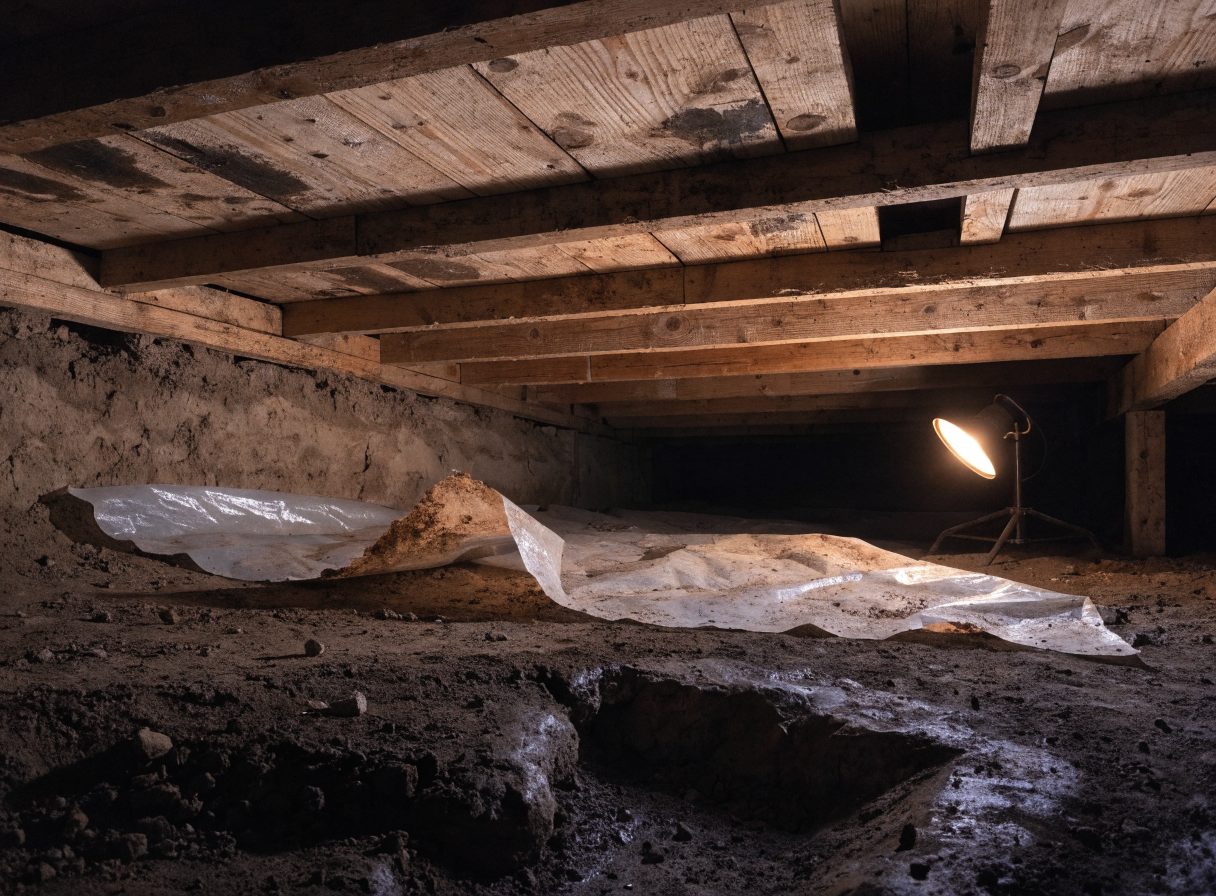
We want testing to answer a useful question rather than treating sampling as an automatic first step.
Inspection considers moisture and property conditions alongside visible signs.
We explain what the observations mean for the next practical step.
Unsure what you are dealing with? Arrange an inspection to get a clearer starting point.
Free — no obligations
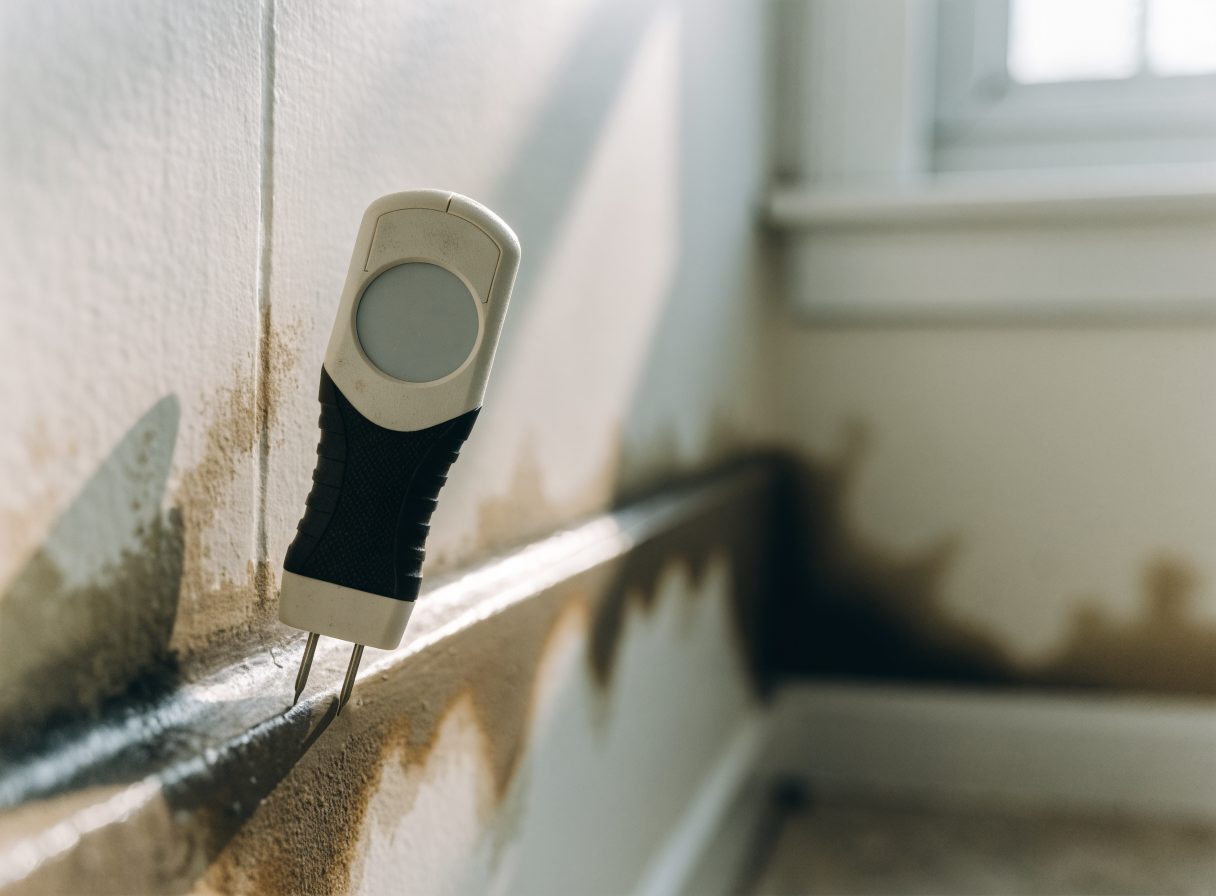
We learn what you have seen, smelled, or experienced and whether there is a known moisture history.
Attention is focused on the spaces and conditions connected to the concern.
If sampling could provide useful information, its purpose and scope are discussed.
Findings are used to help determine whether remediation or moisture-related action should follow.